Flood Insurance Explained: NFIP vs. Private Flood Coverage
Homeowners insurance doesn't cover floods. How NFIP and private flood policies work, coverage limits, the 30-day waiting period, who has to buy it and how to decide if you should.

Updated November 12, 2026 · 7 min read
Key takeaways
- Standard homeowners and renters policies don't cover flood. You need a separate policy.
- NFIP policies cover up to $250,000 for a home's structure and $100,000 for belongings.
- NFIP policies usually take 30 days to start, with exceptions such as when coverage is required for a loan.
- Private flood insurance may offer higher limits or extra coverages. Compare both.
Who needs flood insurance
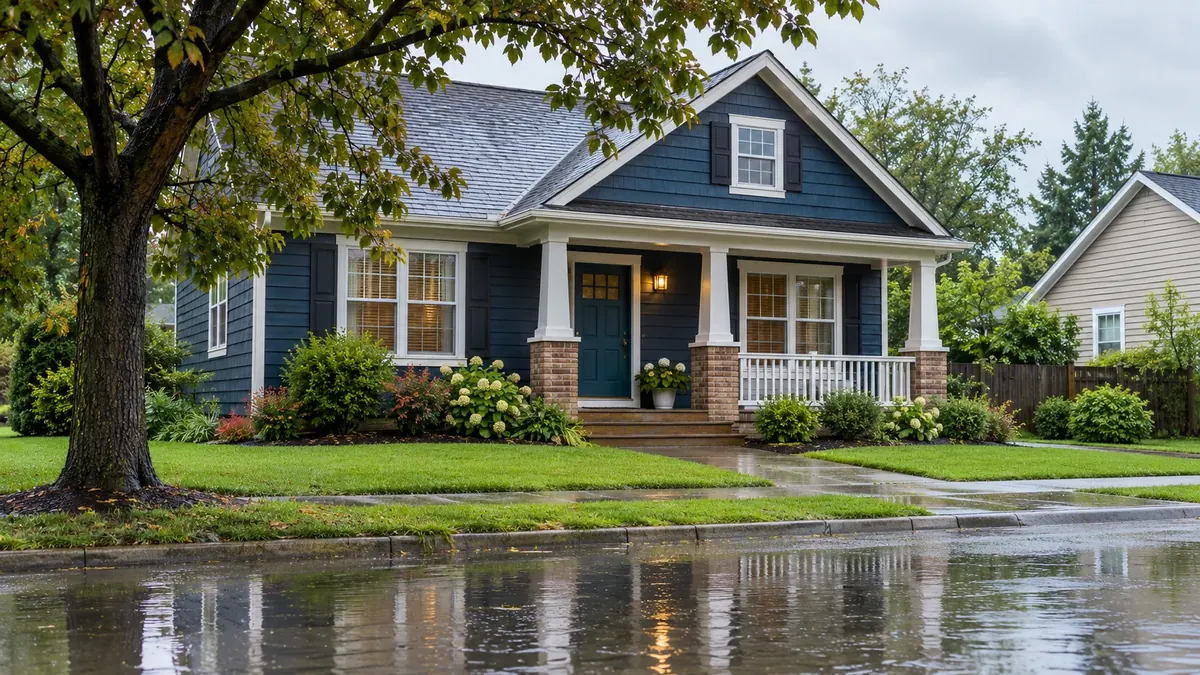
If your home is in a high-risk Special Flood Hazard Area and you have a federally backed or regulated mortgage, your lender requires it. But flooding happens outside high-risk zones too, from heavy rain, snowmelt and overwhelmed drainage. FEMA's Flood Map Service Center shows your mapped zone.
NFIP vs. private flood
| Item | NFIP | Private flood |
|---|---|---|
| Building coverage limit | Up to $250,000 (residential) | Often higher, varies |
| Contents coverage limit | Up to $100,000 | Varies |
| Waiting period | Usually 30 days | Often shorter, varies |
| Contents payment | Actual cash value | Some offer replacement cost |
| Extra living expenses | Not covered | Some policies include it |
| Basement coverage | Limited | Varies |
| Availability | In participating communities | Depends on insurer and location |
Most lenders accept private flood policies that meet federal requirements. Check with yours.
NFIP authorization: the NFIP's authority to issue new policies depends on Congress renewing it. As of November 2026, it's authorized through December 11, 2026. During past lapses, existing policies stayed in force and claims were paid, but new policies and some renewals couldn't be issued. Check FEMA or FloodSmart.gov for current status.
Free, no obligation, about two minutes.
Or call 1-866-739-1313
The waiting period
NFIP coverage generally starts 30 days after you buy it. The main exceptions are when flood insurance is required in connection with making, increasing, extending or renewing a loan, and certain map changes. Don't wait for a storm forecast to buy.
What flood insurance covers
- The structure: foundation, electrical and plumbing, HVAC, water heater, built-in appliances, permanently installed flooring and cabinets
- Contents, if you buy contents coverage: furniture, clothing, electronics and portable appliances
- Debris removal
It generally doesn't cover cars, money, landscaping, damage from moisture or mold you could have prevented, or most belongings in a basement.
How to decide
- Check your flood zone and your community's flood history
- Ask what it would cost to replace your flooring, walls, HVAC and furniture
- Get both an NFIP quote and a private flood quote
- Renters can buy contents-only flood coverage
See also does homeowners insurance cover water damage?
Free, no obligation. Call 1-866-739-1313 to speak with a licensed home insurance agent.
Frequently asked questions
Does homeowners insurance cover any flooding?
No. Standard policies exclude flood. Some water damage, like a burst pipe, is covered, but rising water from outside is not.
Can renters buy flood insurance?
Yes. Renters can buy contents-only coverage through the NFIP or private insurers.
Do I need flood insurance if I'm not in a flood zone?
It's not required, but floods happen outside high-risk zones. Policies in lower-risk areas often cost less.
Sources
How this guide was made: researched and drafted with AI assistance (Wren AI), checked against the sources listed above, and approved for publication by the Wren AI team. Wren AI is an AI research tool, not a licensed insurance agent.
This guide is general information, not insurance, legal, tax or medical advice. Coverage, rules and prices vary by state, insurer and policy. Confirm details with a licensed agent or the official source before you buy. Read our editorial policy.